GROW
PRACTICAL FARMING AND CHRISTIAN GROWTH
Beginner farmer
Commercial farmer
Farm worker
Family
Children
Learn to farm God's way
Learning to farm begins with understanding the land and practising the work. Soil care, water use and sensible choices about inputs matter from the start. AMOS connects these responsibilities with biblical teaching and encourages new farmers to learn from people with practical experience.
Questions to get you started
Where should a new farmer begin?
Start on a manageable scale. Learn about your soil, local conditions and the work your crop or livestock requires. Seek practical guidance and keep records so you can learn from each season.
What does farming God's way involve?
It brings biblical principles into practical farming. Walking with God, caring for soil, avoiding waste, doing work well and treating people fairly belong together. AMOS Basics explains the Christian foundation for these responsibilities.
Can I ask about practical mentoring?
Tell AMOS where you farm, what you produce and which skills you need to develop. Ask about relevant contacts in the network. Local mentoring depends on the people and opportunities available.
How can I learn about soil care?
Begin with soil condition, ground cover and how water moves through your field. Ask an experienced local trainer about building organic matter and choosing appropriate inputs for your conditions.
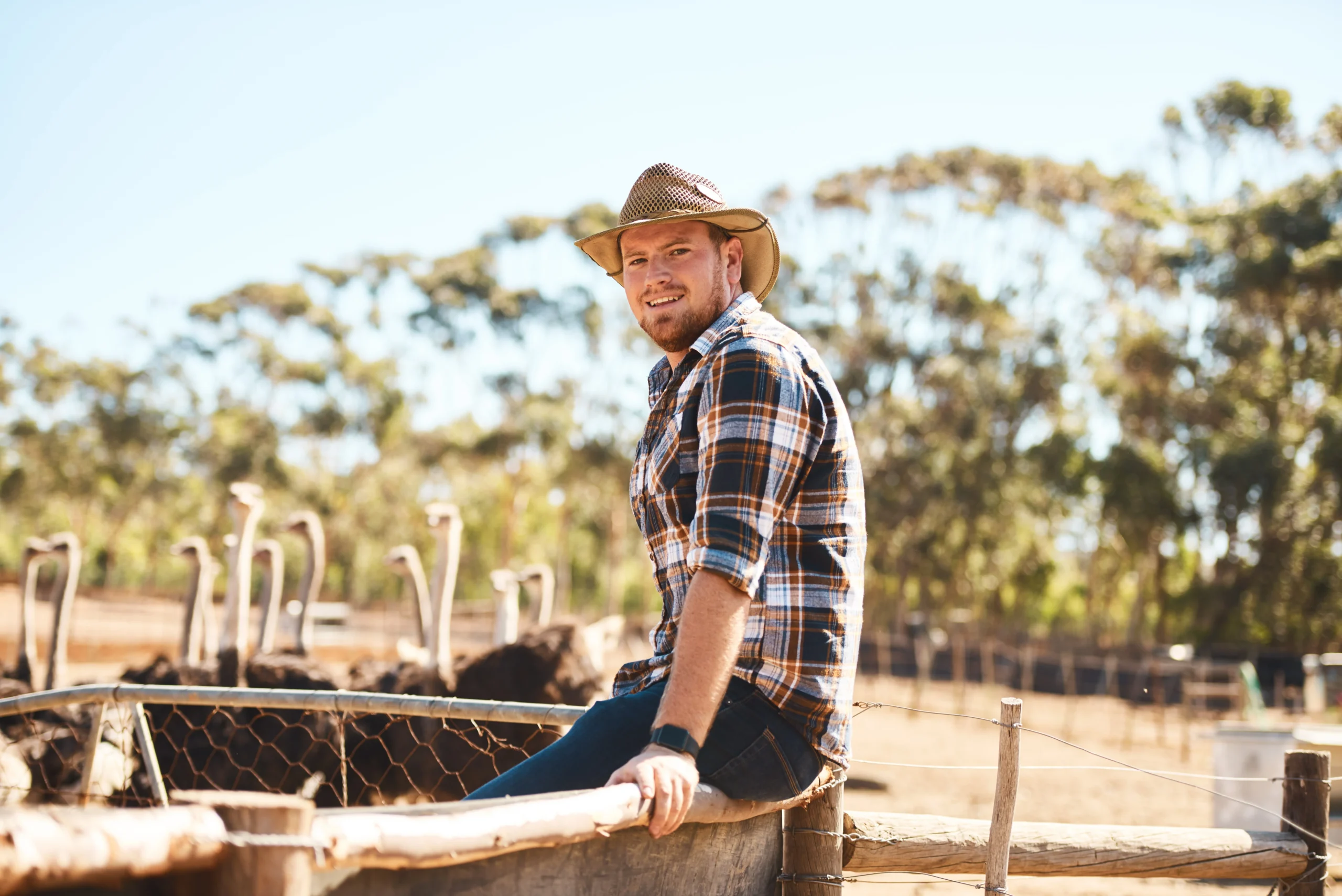
Farm well and develop your people
A productive farm depends on sound decisions about soil, water, inputs and people. AMOS encourages commercial farmers to examine these decisions through biblical principles, share experience and develop their teams. Responsible farming includes the health of the land, the skills of those working it and right relationships between everyone on the farm.
Questions to get you started
How does faith shape farm management?
It affects production decisions as well as conduct. Look after soil and equipment, plan work carefully and keep your commitments. Give employees clear instructions, useful training and a fair hearing.
How can we improve our farming practices?
Review soil condition, input use and areas of waste with suitably experienced advisers. Look for practical changes that suit your farm, and use records to assess what happens over time.
How can I help develop another farmer?
Share practical experience and make time for questions. Explain the decisions behind the work as well as the task itself. Contact AMOS to discuss contributing to mentoring or skills development.
What resources can we use with our team?
AMOS resources cover farm productivity, workplace relationships and financial responsibility, alongside Christian teaching. Choose a relevant topic, discuss it together and agree on a practical action to follow through.
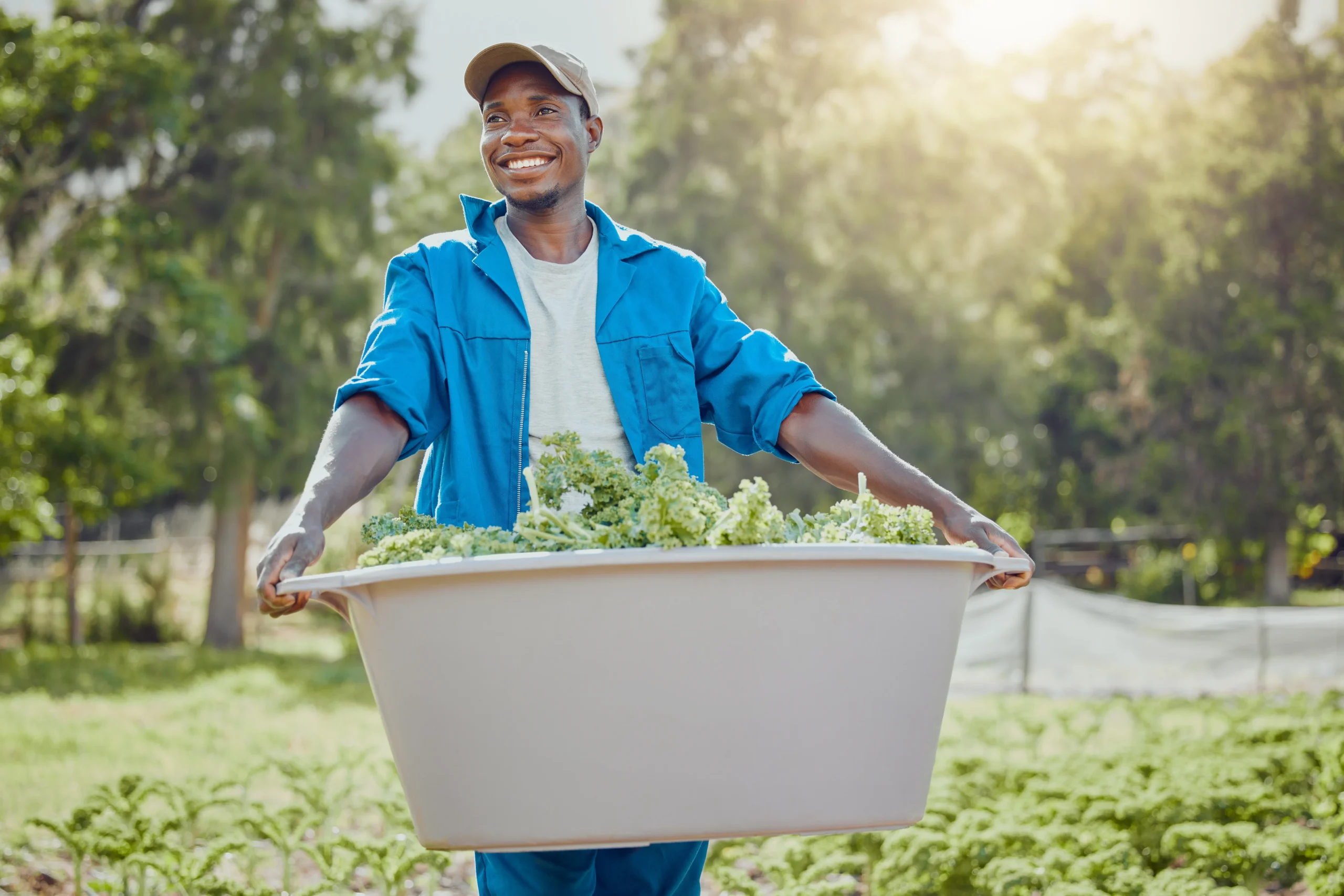
Build skills for your work on the farm
Good farm work takes skill, care and a clear understanding of the task. Learning to handle tools properly, look after the land and work well with others matters. AMOS connects these everyday responsibilities with Christian teaching and encourages farmers to invest in the development of their workers.
Questions to get you started
What can help us learn at work?
Use a training video or relevant AMOS resource to start a discussion. Ask for a practical demonstration when learning a new task. Check that everyone understands before beginning the work.
How does soil care relate to my work?
The way a task is done can affect soil, water and crops. Ask why a method is used and follow the agreed instructions. Report problems so the team can address them.
What about difficulties with other people?
Listen carefully, explain the difficulty clearly and address it with the people concerned. AMOS resources explore workplace relationships. You can also use Help to enquire about prayer or ministry support.
Can we use Christian teaching as a group?
Yes. Choose material in a language the group understands and make participation voluntary. Read or watch a short section, allow questions and discuss how it relates to life and work.
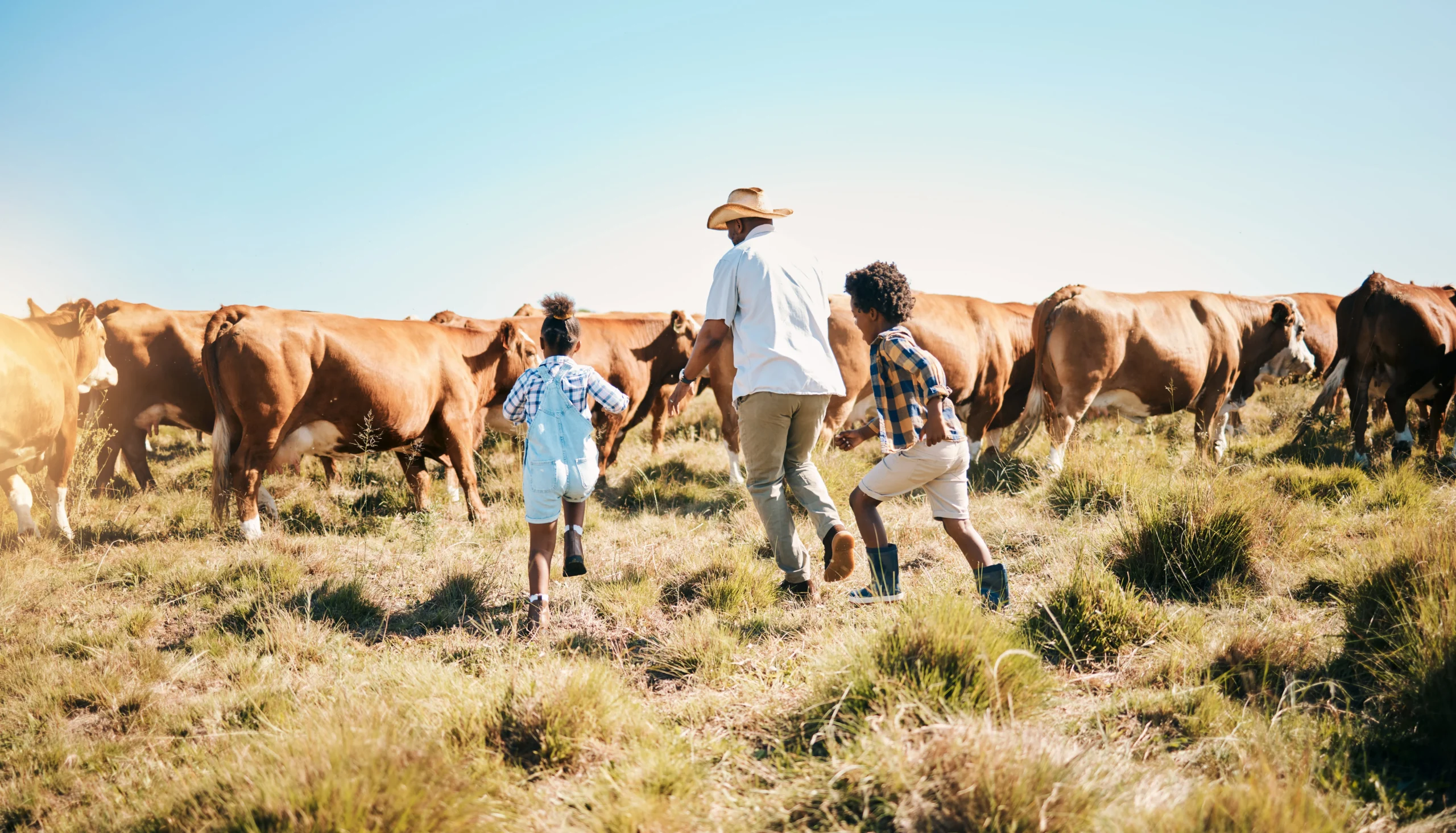
Faith and responsibility in farming families
Family life and farm work often share the same space. Children notice how adults treat workers, care for animals and look after the land. AMOS resources help families discuss faith, work and responsibility, with room for prayer and the ordinary questions that arise at home.
Questions to get you started
How can we connect faith with farm life?
Use a short Bible reading to discuss something familiar: caring for the land, sharing work or keeping a promise. Invite each person to contribute and choose an action to practise together.
What if our children are different ages?
Give each child an age-appropriate way to participate. A small garden, a simple household task or a question about a Bible story can help make the discussion concrete.
Which resources can we use together?
Begin with a prayer focus book or a short devotional. Some AMOS publications are available in English and Afrikaans. Check the language before downloading or ordering.
Where can we ask for support?
Use the Help page to enquire about prayer or support. You can also contact AMOS with a question about family devotional material.
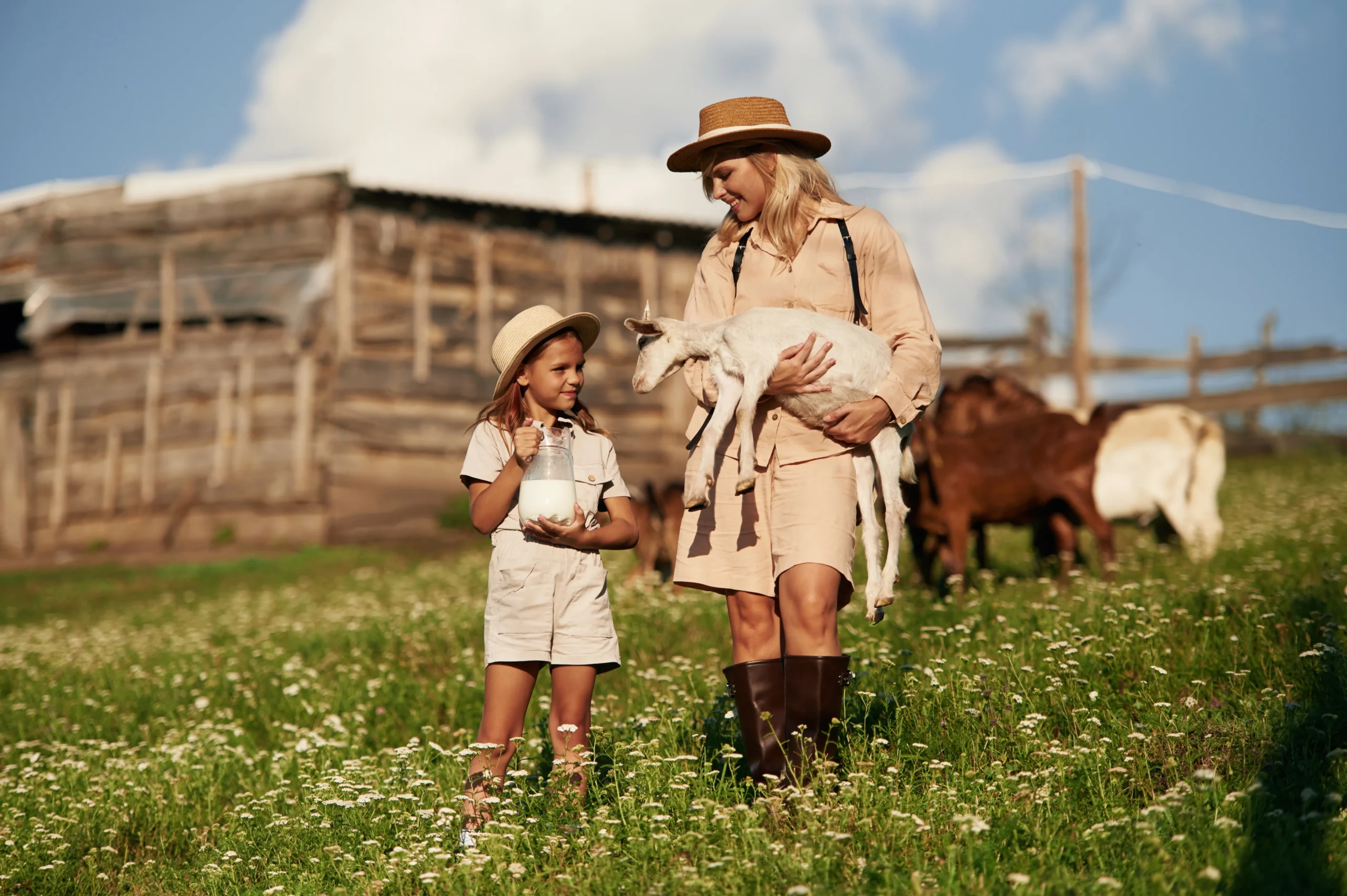
Helping children learn about Jesus
Children learn care and responsibility through everyday examples. In a farming family, a small garden or a simple task can start a conversation about God, food and the land. AMOS encourages adults to share Christian teaching in ways children can understand and take part in.
Questions to get you started
How can children learn through farm life?
Let children observe or take part in safe, age-appropriate tasks with an adult. Talk about where food comes from, why soil needs care and how their actions affect living things.
Are there materials for teaching children?
Ask AMOS which resources suit the ages and languages in your group. The Wordless Book is one published tool for explaining the Christian message through coloured pages.
What are the Meerkat Schools?
AMOS Namibia describes its Meerkat Schools as Christian early childhood programmes that help prepare children for school. This is a regional example. Ask AMOS Namibia about its programme directly.
Who can help us choose a resource?
Contact AMOS with the children’s ages, the language you use and whether you are reading at home or with a group. Ask what material is available.
Ask AMOS
Further
reading